
Coastal Georgia Pest Library
Identify the pests invading your home. Learn their habits, understand the risks they pose, and discover how Vengeance Pest Solutions eliminates them at the source.
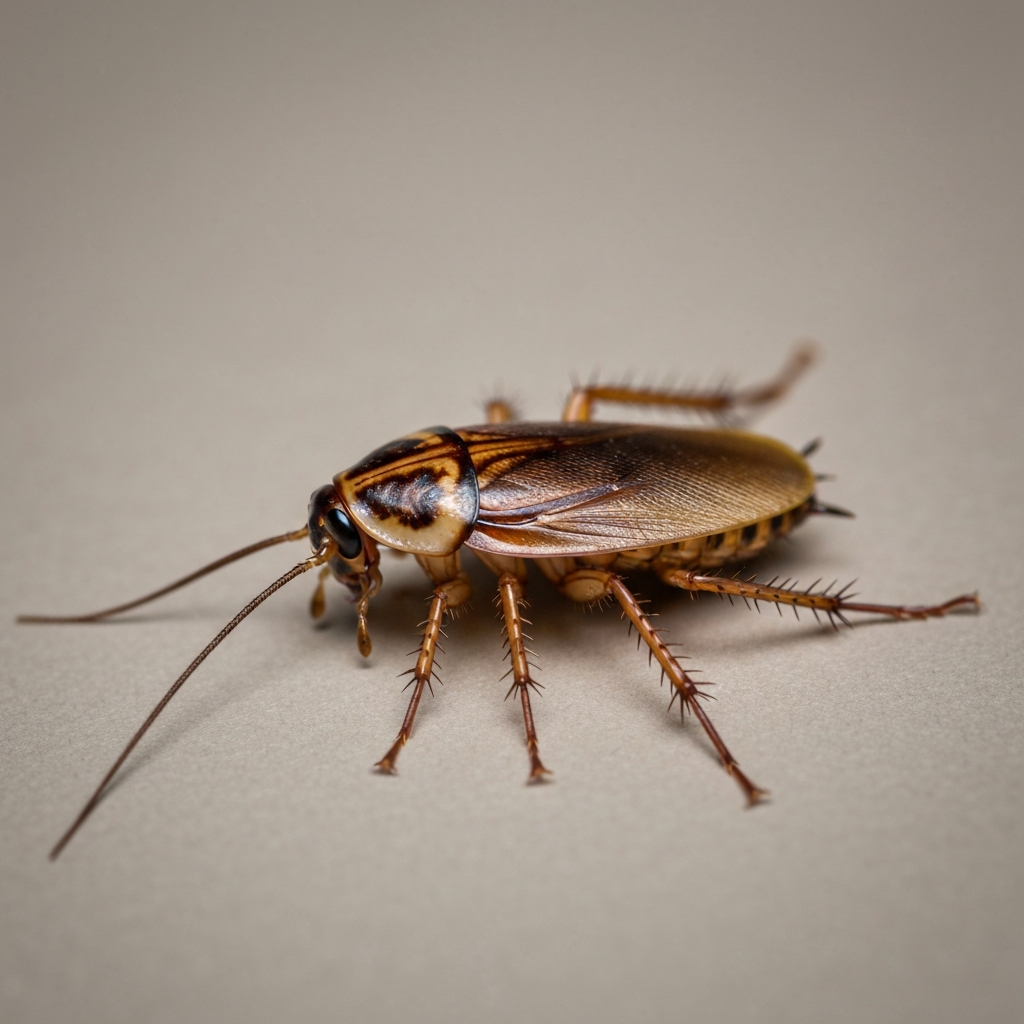
German Cockroach
Blattella germanica
The German cockroach is a small species of cockroach, typically about 1.1 to 1.6 cm long. They are a major indoor pest, especially in kitchens and bathrooms.
Key Facts
- •Produces eggs faster than any other cockroach species.
- •Carries their egg capsule until just before hatching.
- •Thrives in warm, humid environments.
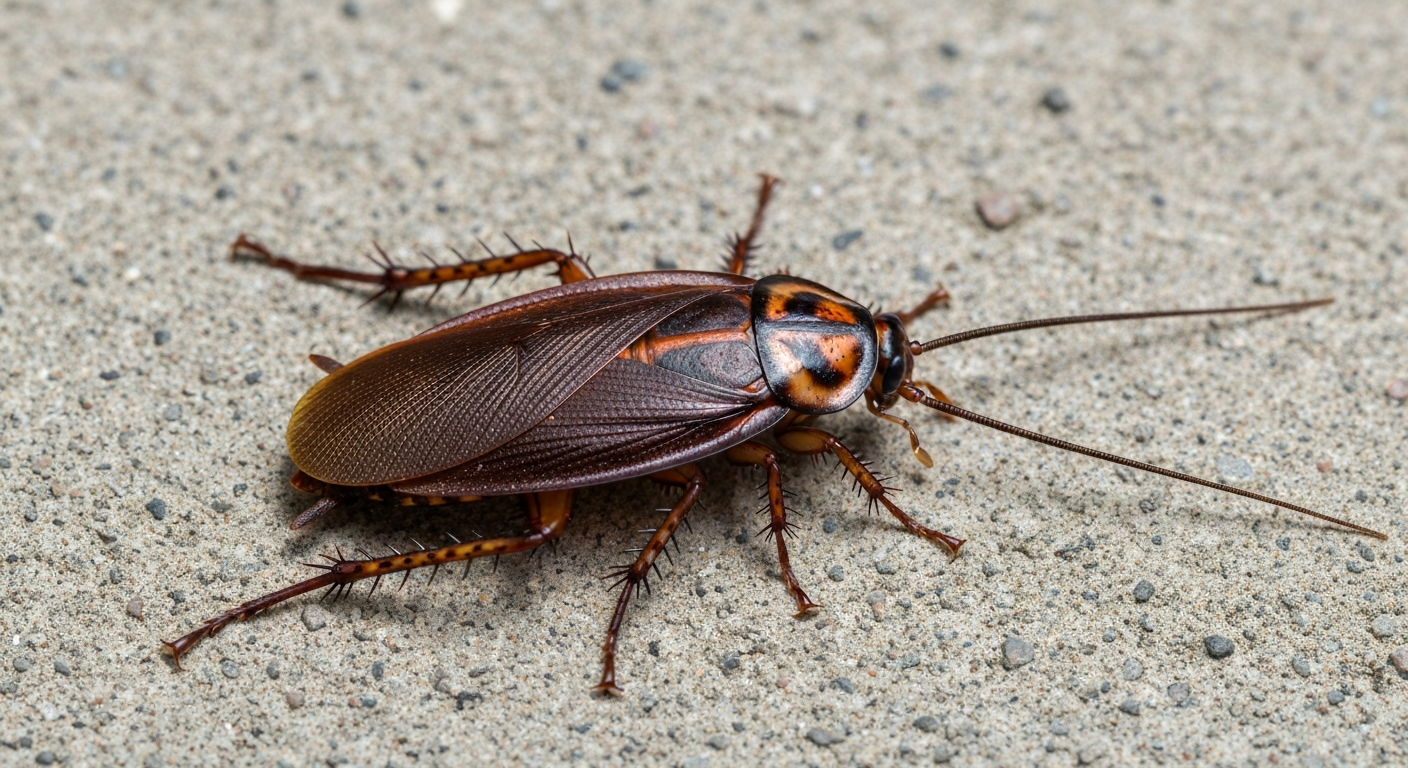
American Cockroach (Palmetto Bug)
Periplaneta americana
Often called 'palmetto bugs' in Coastal Georgia, American cockroaches are large, reddish-brown pests that primarily live outdoors but come inside looking for shelter and moisture.
Key Facts
- •The largest common house-infesting cockroach.
- •Can fly short distances, especially in warm weather.
- •Typically enter homes through plumbing, drains, and gaps in the foundation.
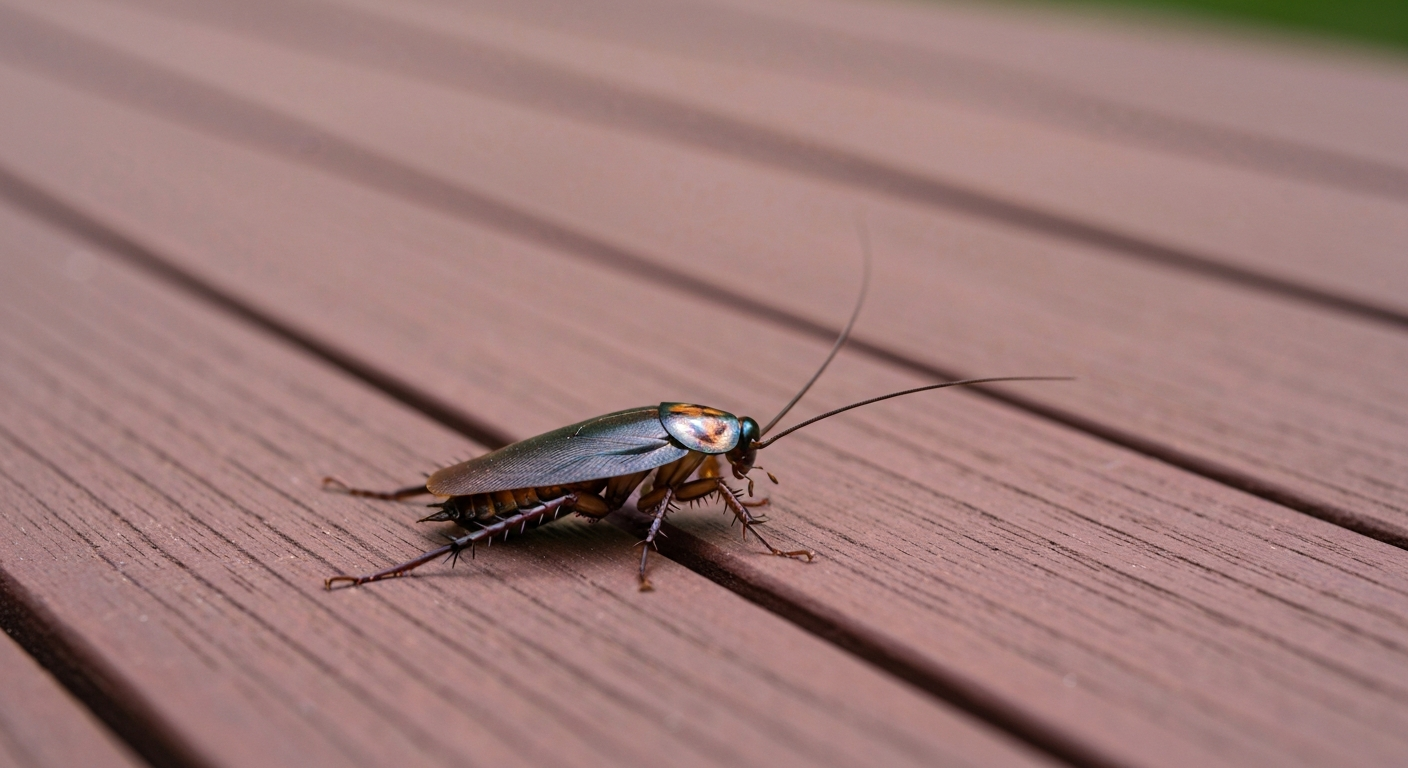
Smokey Brown Cockroach
Periplaneta fuliginosa
These dark mahogany-colored roaches prefer warm, humid environments and are very common in the Southeast. They are strong fliers and are attracted to light at night.
Key Facts
- •Prone to losing moisture quickly, so they require highly humid harborage.
- •Often found in tree holes, ivy, and mulch.
- •Frequently enter attics and upper floors by flying to the roof.
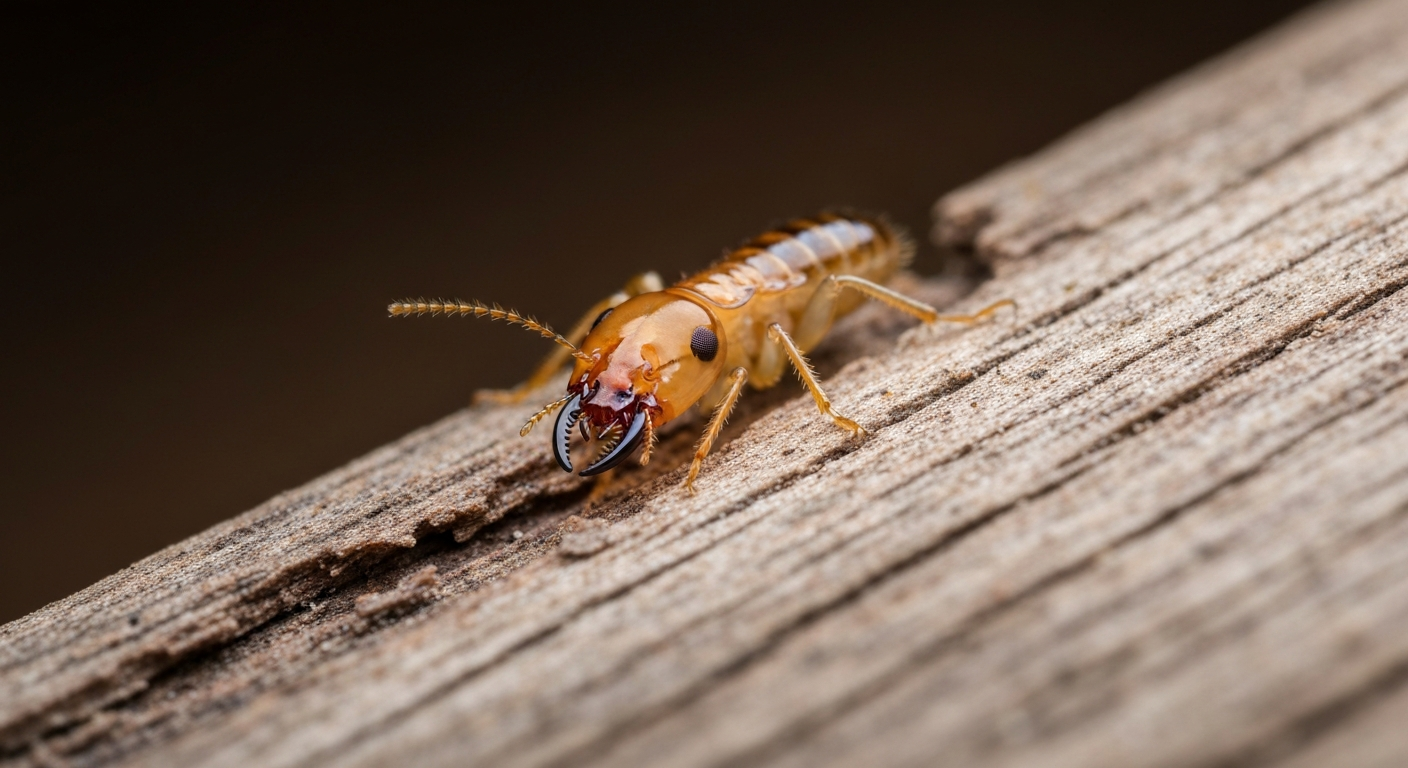
Subterranean Termite
Rhinotermitidae
Subterranean termites live in the soil and build mud tubes to access wood above ground. They cause millions in property damage every year in Coastal Georgia.
Key Facts
- •Colonies can contain up to a million members.
- •They eat wood 24 hours a day, 7 days a week.
- •Coastal Georgia's humidity provides their ideal habitat.
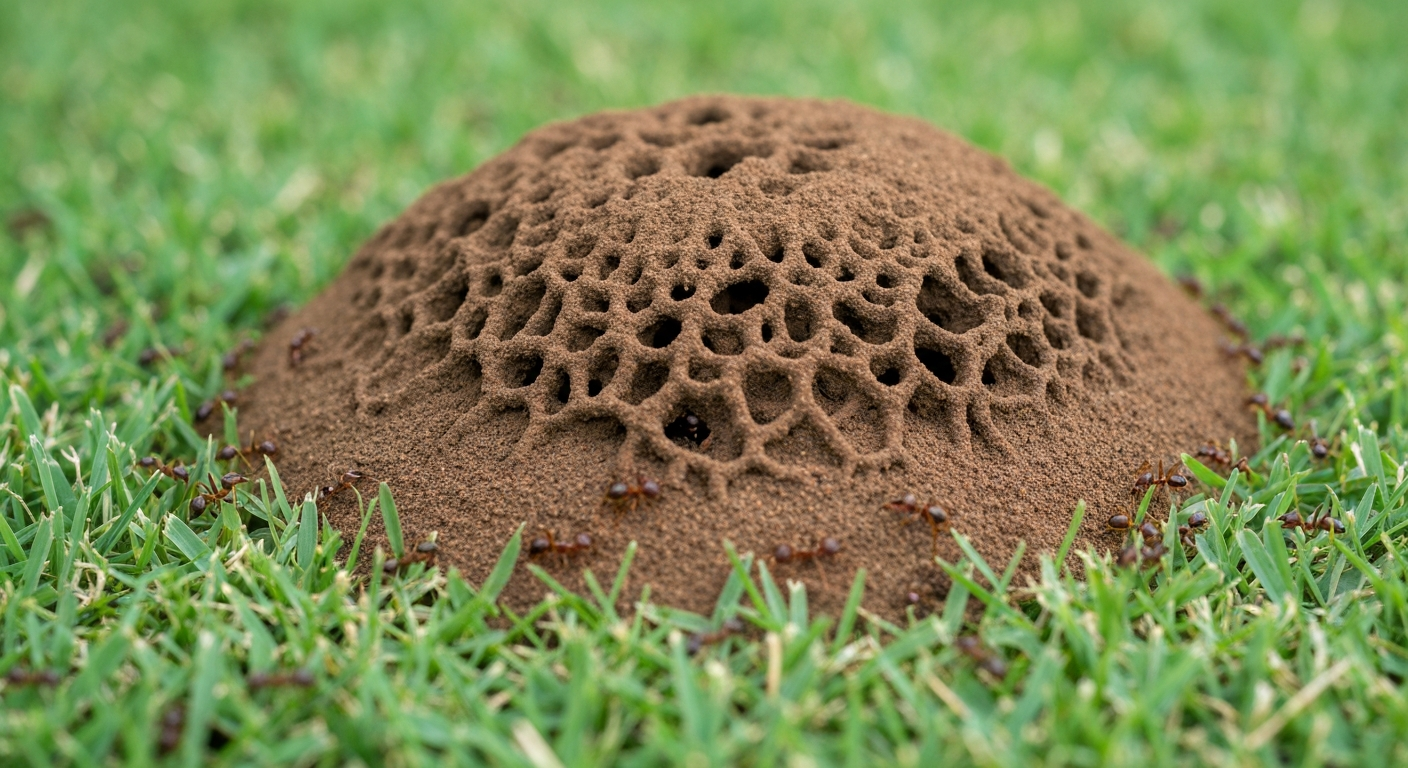
Red Imported Fire Ant
Solenopsis invicta
Fire ants are aggressive, venomous ants known for their painful stings and large mound-building colonies in yards across the Southeast.
Key Facts
- •A single mound can contain 200,000 ants.
- •They respond aggressively to any disturbance of their mound.
- •Their sting can cause allergic reactions in sensitive individuals.
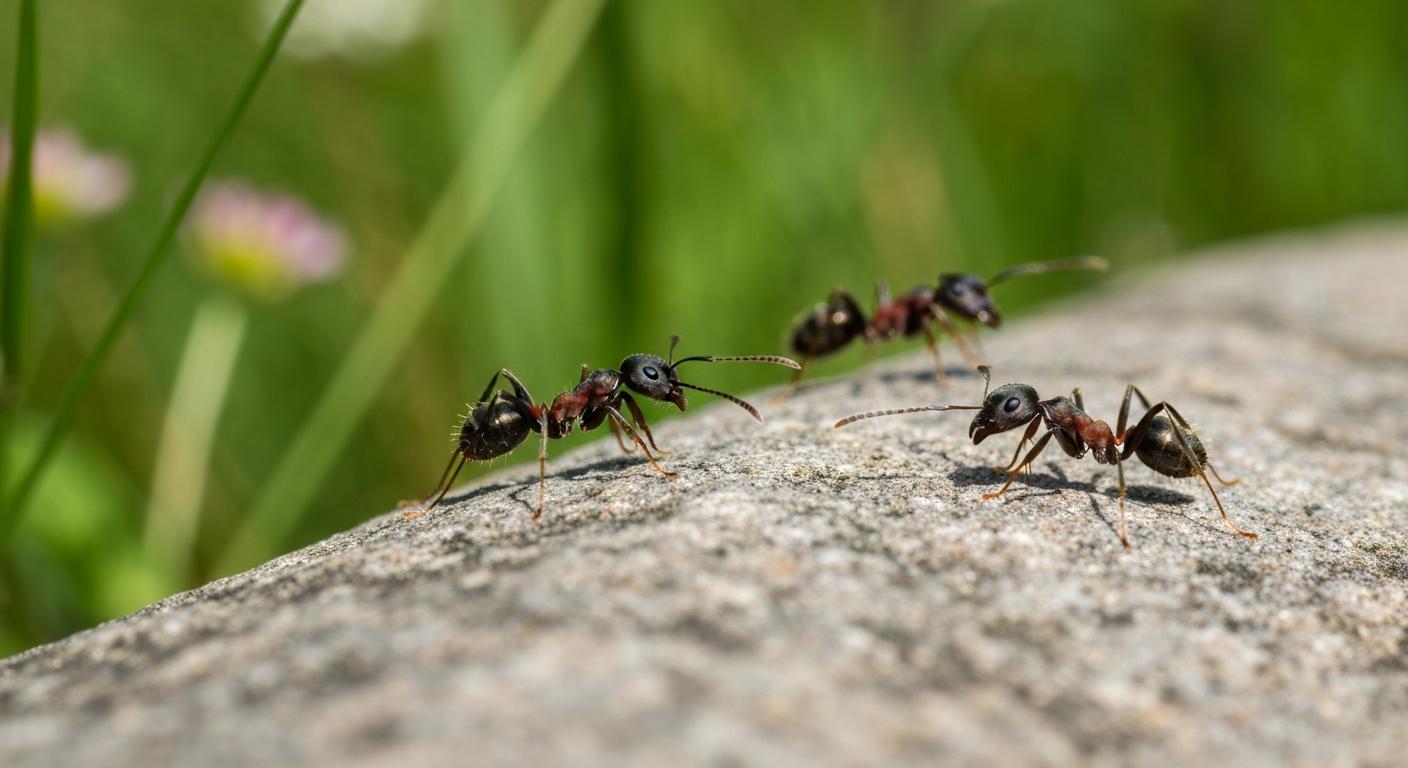
Ants (Common Varieties)
Formicidae
Beyond fire ants, Coastal Georgia homes frequently deal with nuisance ants like Argentine ants, odorous house ants, and carpenter ants looking for food and water.
Key Facts
- •Leave invisible pheromone trails for others in their colony to follow.
- •Often nest outdoors and forage inside, making exterior perimeter treatments critical.
- •Carpenter ants excavate wood to build nests but don't eat it like termites.
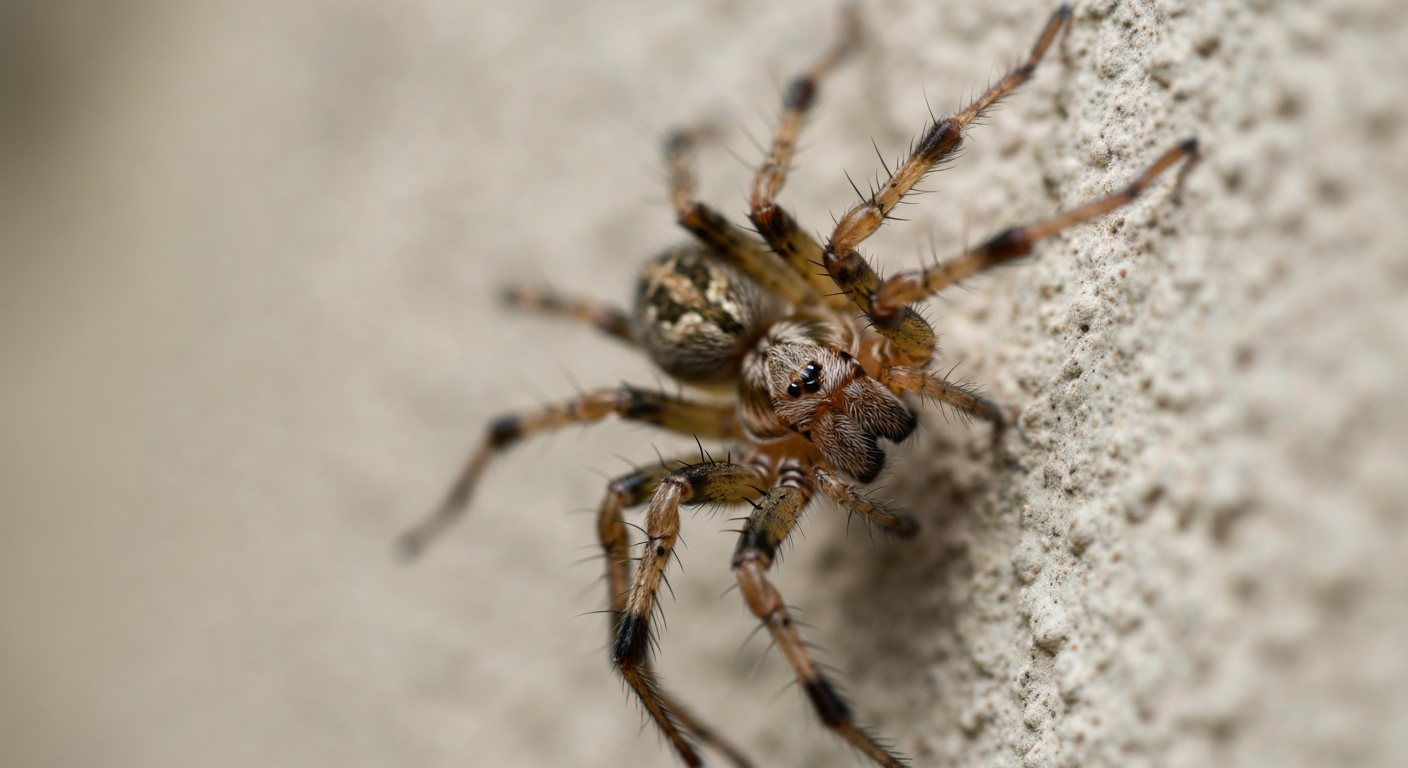
Spiders (Common Varieties)
Araneae
While most house spiders are harmless and beneficial, finding cobwebs everywhere is a nuisance. We commonly see wolf spiders, house spiders, and occasionally black widows or brown recluses in undisturbed areas.
Key Facts
- •Spiders are predators; an abundance of spiders usually means you have other insects they are feeding on.
- •They prefer dark, quiet places like garages, crawlspaces, and attics.
- •Regular web removal and exterior treatments reduce their populations.
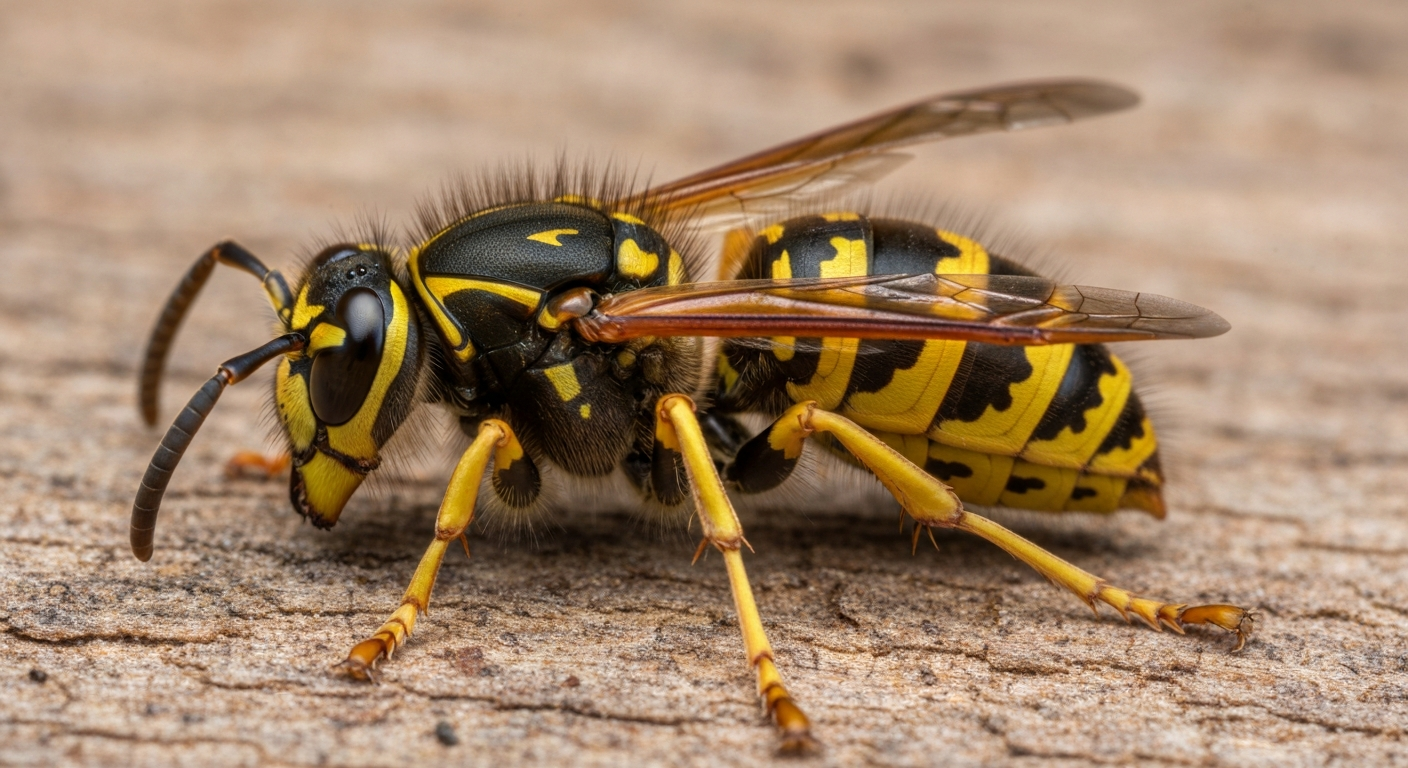
Wasps & Yellow Jackets
Vespidae
Paper wasps, yellow jackets, and hornets are aggressive stinging insects that build nests under eaves, inside wall voids, or even underground in yards.
Key Facts
- •Unlike bees, wasps and yellow jackets can sting multiple times without dying.
- •Yellow jackets are highly territorial and will aggressively defend their nests.
- •Nests can grow significantly during the summer months.
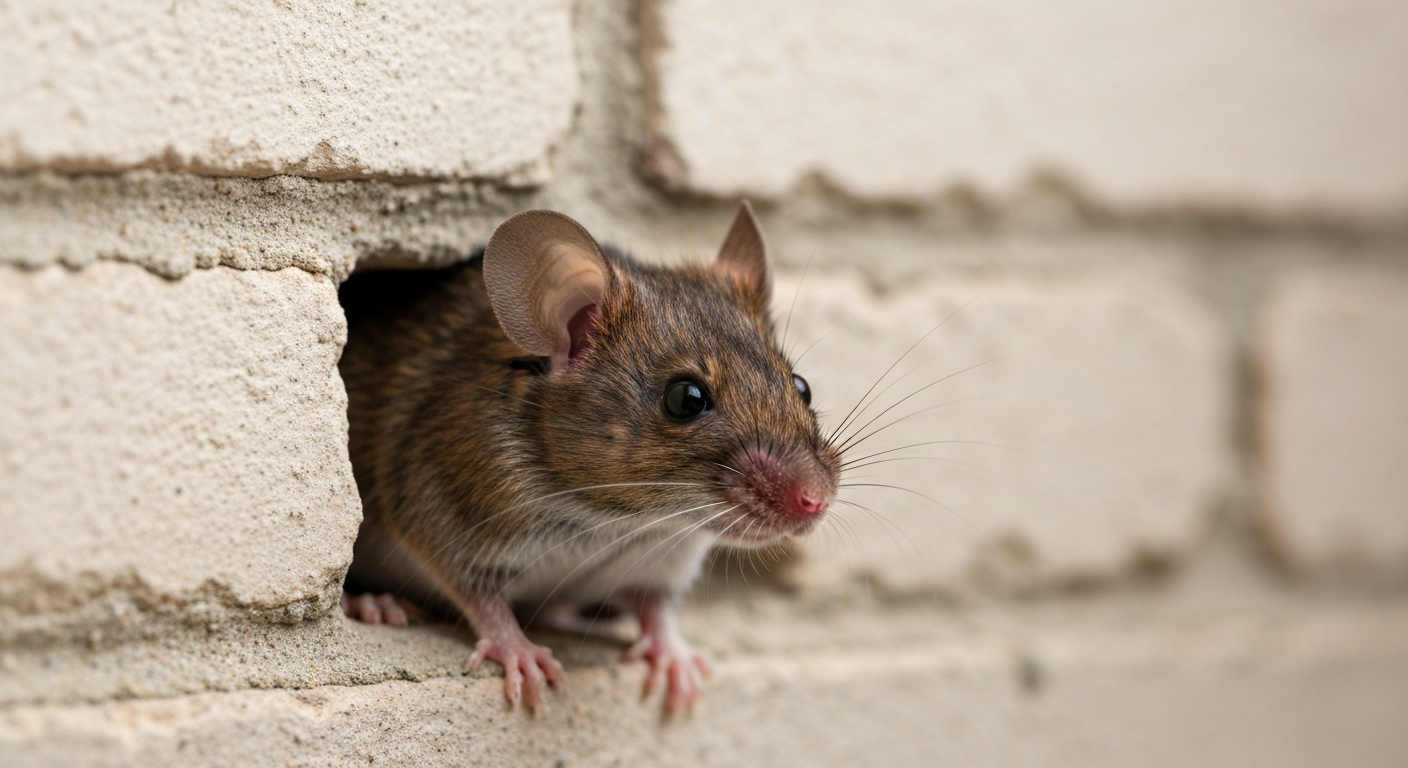
House Mouse
Mus musculus
House mice are common rodents that seek shelter indoors, particularly during extreme weather. They can squeeze through openings as small as a dime.
Key Facts
- •They constantly gnaw on materials, which can cause electrical fires.
- •A single female can produce up to 10 litters a year.
- •They contaminate food and surfaces with droppings and urine.
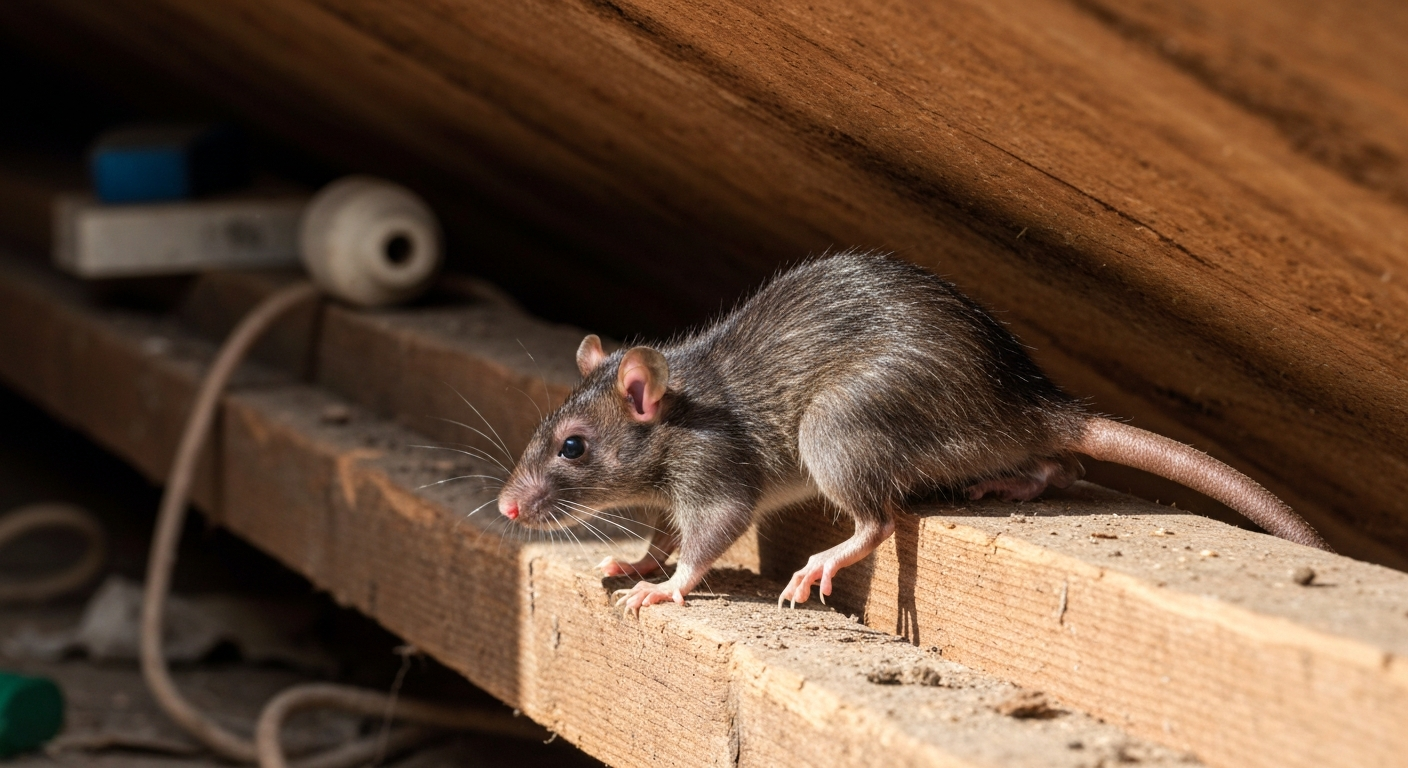
Roof Rats
Rattus rattus
Also known as black rats or ship rats, roof rats are agile climbers that prefer to live and nest in upper parts of buildings, like attics and drop ceilings.
Key Facts
- •Excellent climbers that often use power lines or overhanging trees to access roofs.
- •They primarily eat fruits, nuts, and seeds.
- •Can cause significant damage to attic insulation and wiring.
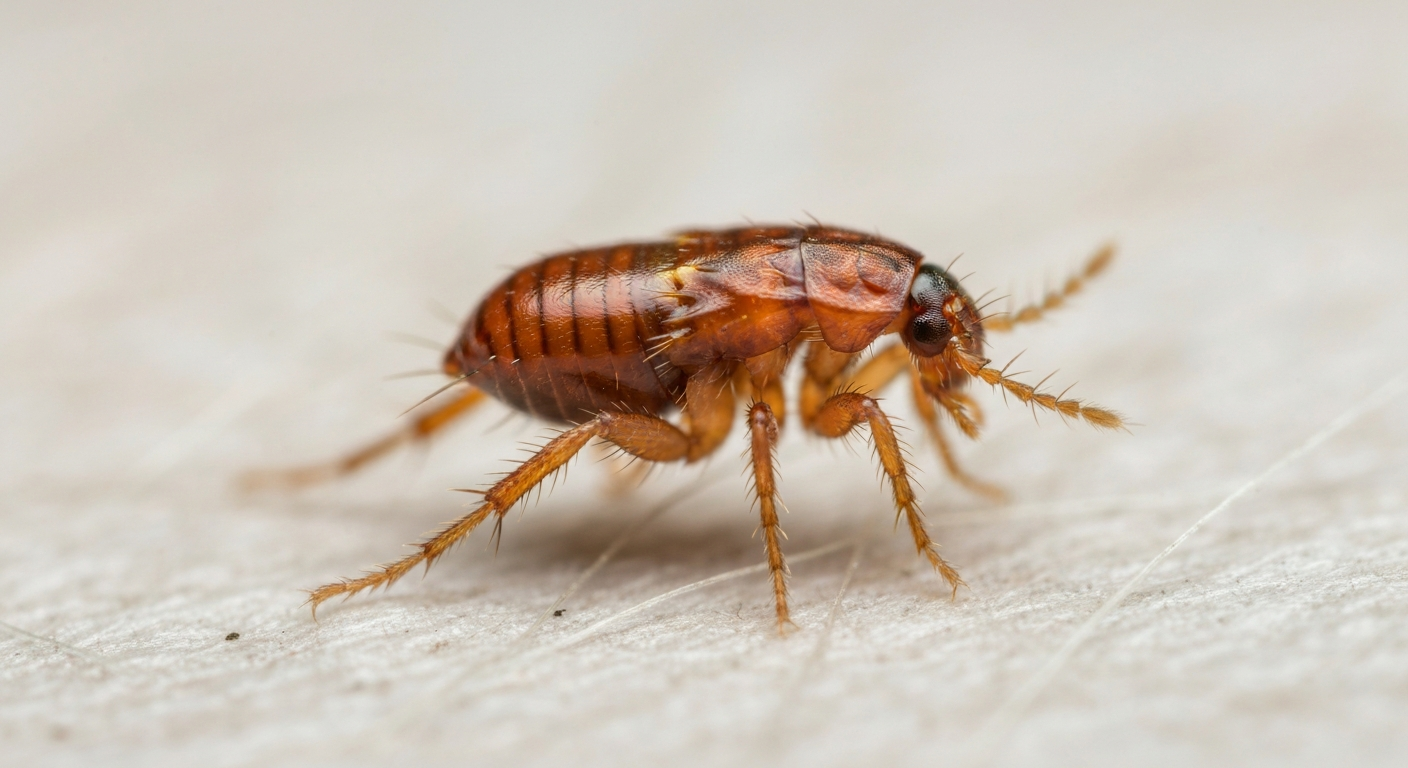
Fleas
Siphonaptera
Fleas are tiny, wingless parasites that feed on the blood of mammals. Even homes without pets can get fleas if rodents or wildlife bring them into the yard or crawlspace.
Key Facts
- •Can jump up to 8 inches vertically.
- •Flea pupae can remain dormant for months until they sense vibrations from a host.
- •Treating the yard and home simultaneously is required for elimination.
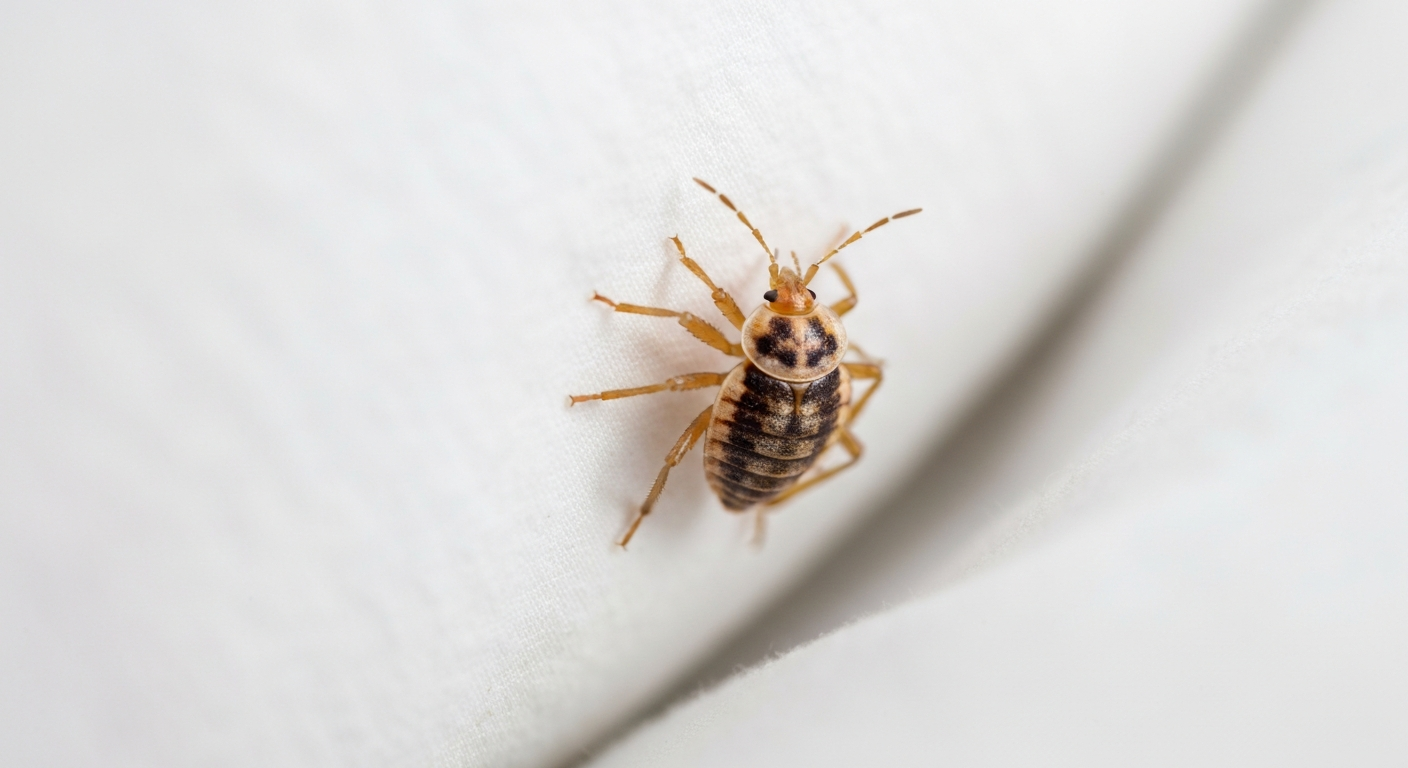
Bed Bugs
Cimex lectularius
Bed bugs are excellent hitchhikers that feed exclusively on blood. They hide in mattress seams, bed frames, and furniture crevices, coming out at night to feed.
Key Facts
- •Can survive for several months without a blood meal.
- •They do not transmit diseases, but their bites cause itchy, red welts.
- •Professional treatment is almost always required due to their resilience.
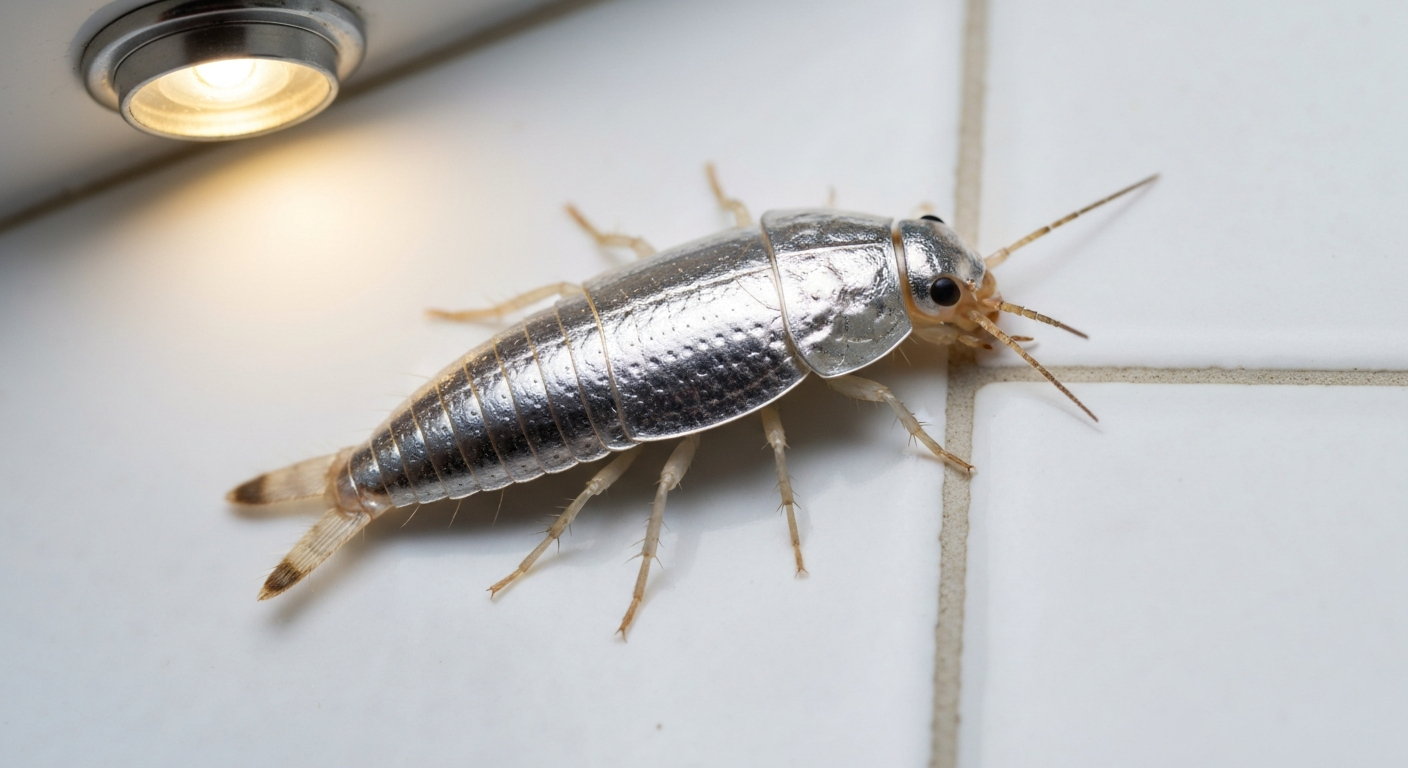
Silverfish
Lepisma saccharinum
Silverfish are teardrop-shaped insects with a metallic appearance. They prefer high-humidity areas like bathrooms, attics, and basements.
Key Facts
- •Feed on starchy materials like paper, glue, book bindings, and wallpaper.
- •Can survive for long periods without food.
- •Their presence often indicates a moisture problem in the home.
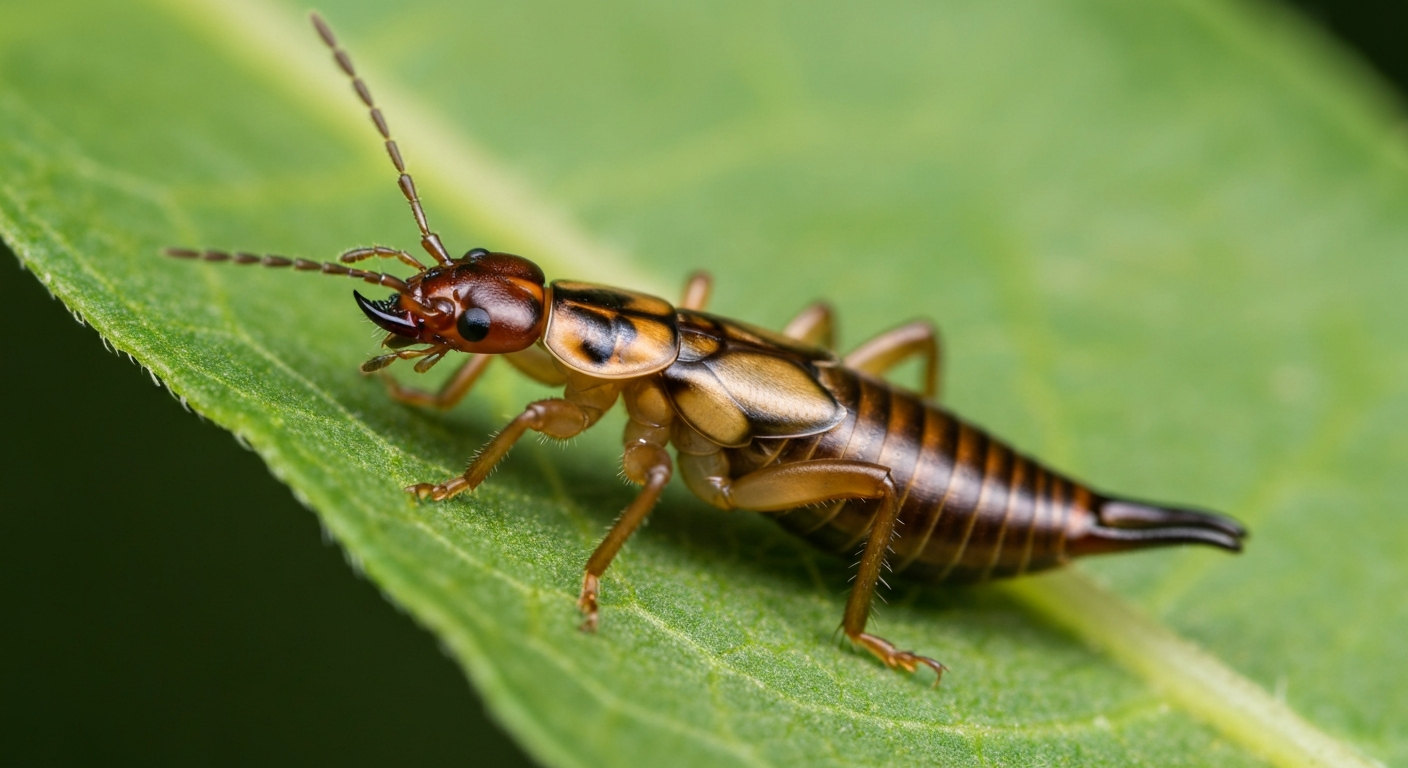
Earwigs
Dermaptera
Easily identified by the pincers on their abdomen, earwigs are outdoor insects that occasionally wander inside looking for moisture or shelter from extreme weather.
Key Facts
- •Despite the myth, they do not crawl into human ears.
- •They are nocturnal and hide in damp, dark places during the day.
- •Reducing exterior moisture and sealing gaps keeps them outside.
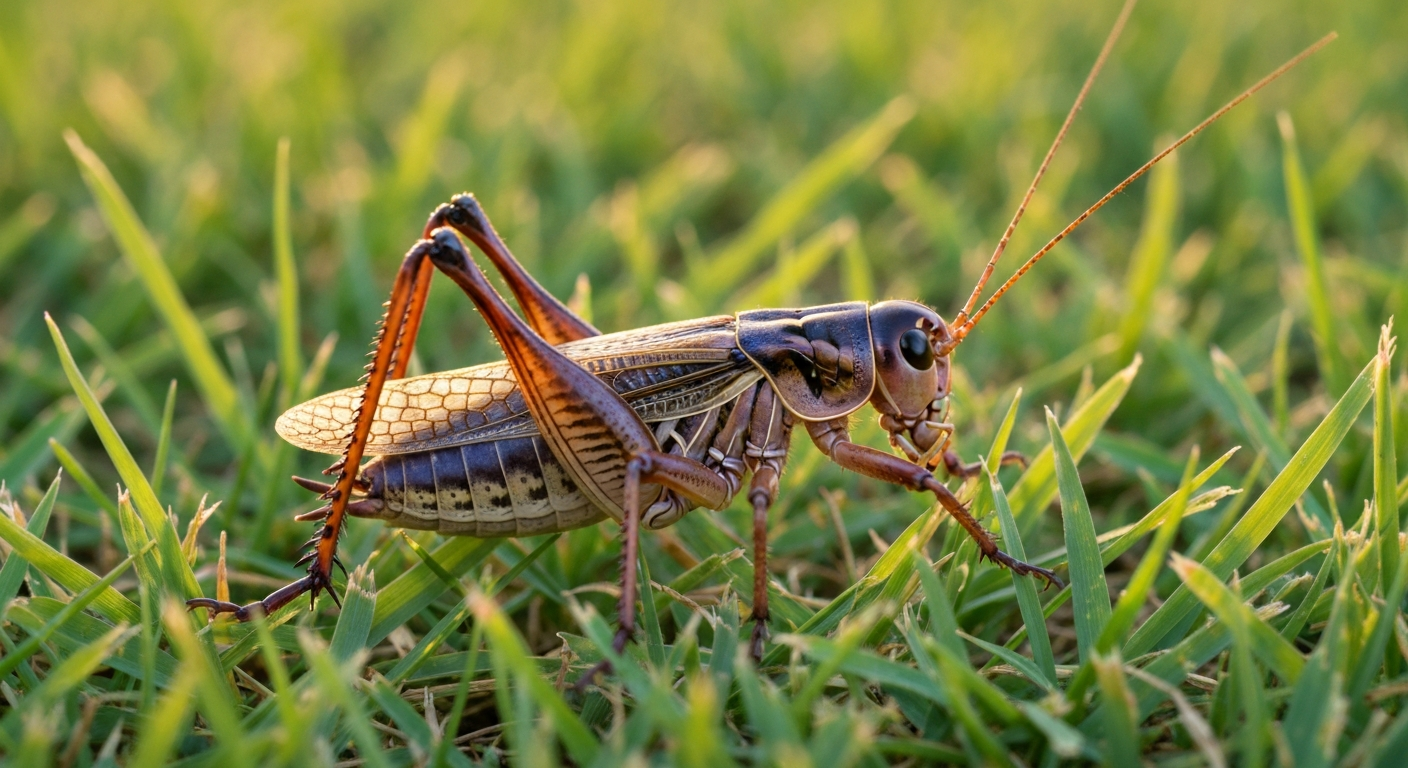
Crickets
Gryllidae
Field and house crickets are known for their loud chirping. They are attracted to bright exterior lights and often slip under doors or through foundation cracks.
Key Facts
- •Only male crickets chirp, which they do by rubbing their wings together.
- •They can damage clothing and fabrics if they get inside.
- •Changing exterior lights to yellow 'bug bulbs' can reduce their attraction to your home.
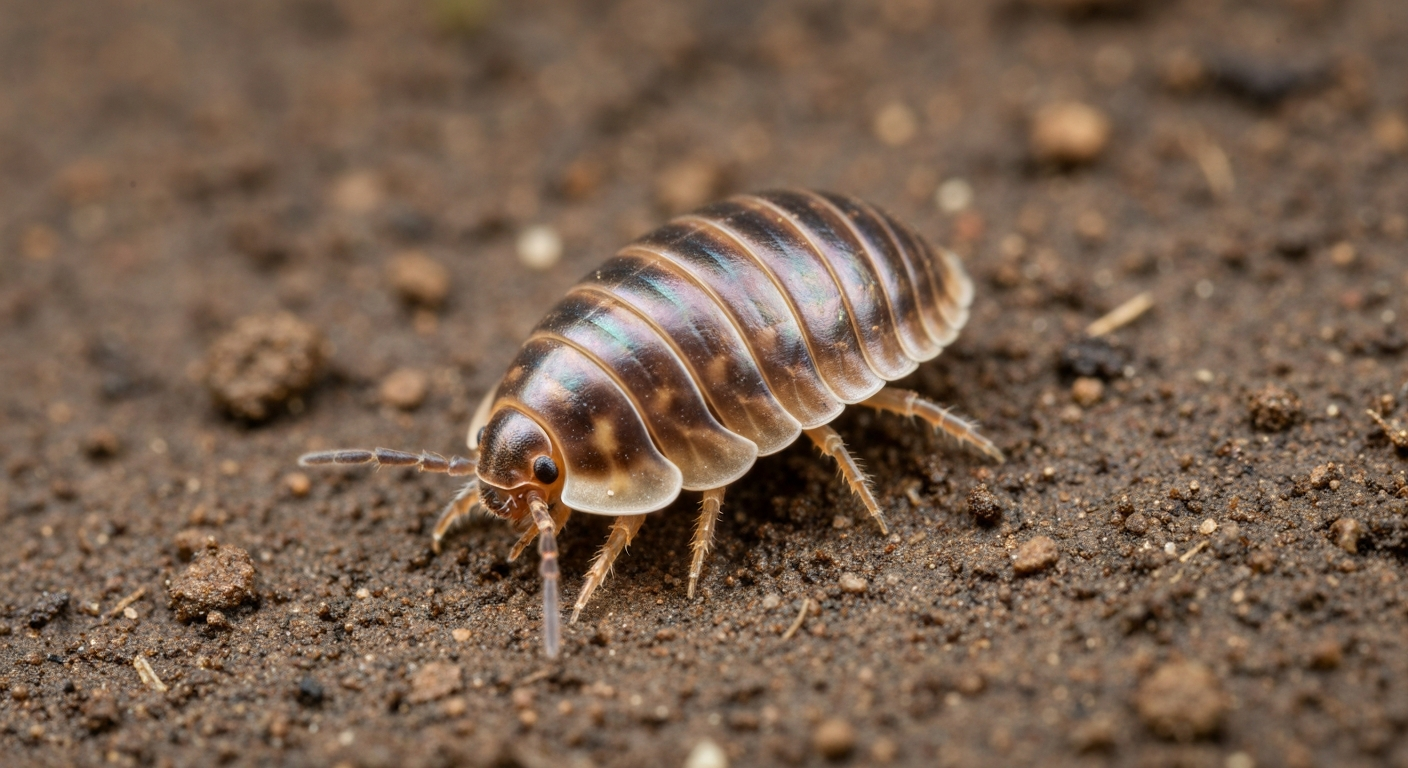
Pillbugs (Roly-Polys)
Armadillidiidae
Pillbugs are actually terrestrial crustaceans, not insects. They require high moisture to survive and are usually found under mulch, rocks, or potted plants.
Key Facts
- •They roll into a tight ball when threatened.
- •They feed primarily on decaying plant matter.
- •If found inside, they usually die quickly due to lack of moisture.
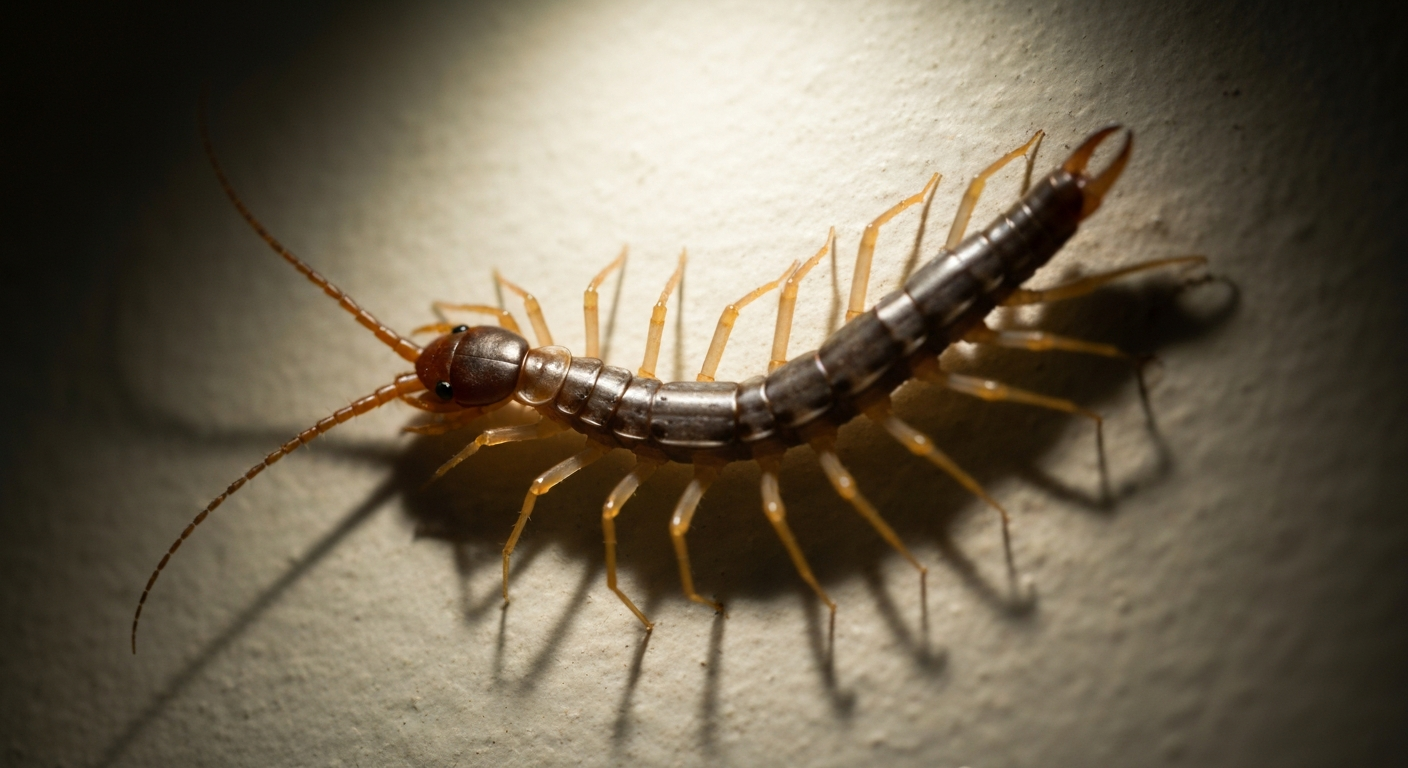
Centipedes
Chilopoda
House centipedes have long, flattened bodies with many legs. They are fast-moving predators that hunt other insects inside the home.
Key Facts
- •They are beneficial because they eat other pests, but their appearance is startling.
- •They prefer damp, dark areas like basements and bathrooms.
- •Controlling their food source (other insects) is the best way to eliminate them.
Need Help Identifying a Pest?
Not sure what's crawling around your home? Schedule a free inspection and let our experts identify the problem and build a targeted treatment plan.
Book Free Evaluation